Para remover anuncios publicitarios y adquirir más servicios, por favor haga clic aquí
Página Principal Galería Audio/Video Velas Condolencias Recuerdos Biografía Editar Página
Últimas Velas
 
78899 Crear Conmemoración
Bookmark and Share


Adquiera Más Servicios
¡Conviértase en Miembro!
button
 
“Good, better, best. Never let it rest. 'Til your good is better and your better is best.” Never ever give up!Saeed Tiwana


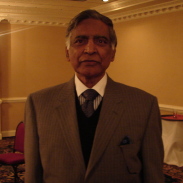
This memorial website was created to remember our dearest Major (Retd) Mohammad Saeed Tiwana SJ (PA 5505) who was born in Pakistan on April 18, 1936 and passed away on June 9, 2009 at 7:30AM UTC/GMT +6 . You will live forever in our memories and hearts.

A free-lance journalist, famous for his insights into military strategy and philosophy. A writer, his first book was Fundamental Rules For The Organization Of Military Victories. His next, about the first Gulf War, was Saddam Shall Live. The Prince and The Dancing Girl was his first historical novel. A GREAT FATHER leaving behind three sons (Saadullah, Asim and Qasim) and one daughter (Masooma). THE BEST HUSBAND, leaving his companion (Shagufta) behind for rest of her journey!

"Dear Abu,

Words cannot describe how much we miss you. You will remain in our heart always! Thanks for your care, guidance, patience, teachings and most importantly your unconditional love for all of us!"
Condolencias Recientes
Hrllo Httr August 22, 2024
 

**Title: The Turning Point**

In the heart of the city of Verdonia, politics was more than just a game; it was the lifeblood of the people. The city, known for its grand architecture and vibrant markets, was home to a political system that had thrived for decades. But as the world around it changed, so too did the winds of Verdonia's politics.

For years, Verdonia had been governed by the Council of Elders, a group of seasoned politicians who prided themselves on maintaining tradition and stability. The Council, led by the venerable Senator Orin, had seen Verdonia through economic crises, social upheavals, and external threats. Yet, beneath the surface, discontent brewed among the younger generation, who felt that the Council was out of touch with the modern world.

At the center of this brewing storm was a young politician named Elena Marlowe. Elena, the daughter of a working-class family, had risen through the ranks of Verdonia’s political landscape with her sharp intellect and unwavering commitment to change. She had a vision for Verdonia—one where innovation and progress would take precedence over outdated customs.

Elena’s rise was swift, but not without resistance. The Council, particularly Senator Orin, viewed her as a threat to the stability they had worked so hard to maintain. Orin, a man of principle and tradition, saw Elena’s ideas as reckless and feared they would lead Verdonia into chaos. He believed that the city needed a steady hand, not the radical reforms Elena proposed.

The tension between the old guard and the new came to a head during the Great Debate, a political event held once a decade where the future of Verdonia was discussed and decided. The debate took place in the Grand Forum, a majestic hall where the city’s most important decisions had been made for centuries.

Elena, standing tall in her simple yet elegant attire, faced off against Senator Orin, who, despite his age, still commanded the room with his presence. The citizens of Verdonia watched with bated breath, knowing that this debate would shape the future of their beloved city.

Orin spoke first, his voice firm and filled with conviction. He extolled the virtues of tradition, the importance of continuity, and the dangers of hasty change. He reminded the people of the times Verdonia had weathered storms due to the Council’s steady leadership. To him, Elena’s proposals were not only impractical but perilous.

When it was Elena’s turn, she spoke with passion and urgency. She acknowledged the Council’s contributions but argued that Verdonia was at a crossroads. The world was changing rapidly, and Verdonia could not afford to be left behind. Her vision was one of a city that embraced innovation, fostered creativity, and welcomed new ideas. She appealed to the youth, the workers, and the marginalized, promising a future where everyone had a voice.

The debate raged on for hours, with each side presenting compelling arguments. But as the night wore on, it became clear that the city was divided. The elders and the traditionalists stood firmly behind Orin, while the younger generation and those yearning for change rallied around Elena.

In the end, the decision came down to a vote. The citizens of Verdonia, each with a single voice, would determine the path forward. As the votes were tallied, the tension in the Grand Forum was palpable. The final result was closer than anyone had anticipated, but when the last vote was counted, Elena Marlowe emerged victorious by a narrow margin.

The result was a shock to many, but it was also a testament to the changing times. Elena’s victory marked a turning point in Verdonia’s history. The old ways had given way to the new, and with it came a wave of optimism and hope for the future.

Senator Orin, though disappointed, accepted the outcome with grace. In his final speech to the Council, he urged them to support Elena in her endeavors, reminding them that Verdonia’s strength lay not in its leaders, but in its people. He then stepped down, passing the torch to the new generation.

Elena, now at the helm, faced the daunting task of leading Verdonia into an uncertain future. But she did so with determination, knowing that the city’s destiny was in her hands. Under her leadership, Verdonia began to change—slowly at first, but then with increasing momentum. New industries emerged, the city’s infrastructure was modernized, and a sense of unity began to take root among its citizens.

Verdonia’s journey was far from over, and challenges still lay ahead. But for the first time in years, the city was moving forward, driven by the belief that progress was possible and that the future belonged to those who dared to dream.

And so, Verdonia’s story continued, shaped by the choices of its people and the leaders they chose to follow.

**Title: The Turning Point**

In the heart of the city of Verdonia, politics was more than just a game; it was the lifeblood of the people. The city, known for its grand architecture and vibrant markets, was home to a political system that had thrived for decades. But as the world around it changed, so too did the winds of Verdonia's politics.

For years, Verdonia had been governed by the Council of Elders, a group of seasoned politicians who prided themselves on maintaining tradition and stability. The Council, led by the venerable Senator Orin, had seen Verdonia through economic crises, social upheavals, and external threats. Yet, beneath the surface, discontent brewed among the younger generation, who felt that the Council was out of touch with the modern world.

At the center of this brewing storm was a young politician named Elena Marlowe. Elena, the daughter of a working-class family, had risen through the ranks of Verdonia’s political landscape with her sharp intellect and unwavering commitment to change. She had a vision for Verdonia—one where innovation and progress would take precedence over outdated customs.

Elena’s rise was swift, but not without resistance. The Council, particularly Senator Orin, viewed her as a threat to the stability they had worked so hard to maintain. Orin, a man of principle and tradition, saw Elena’s ideas as reckless and feared they would lead Verdonia into chaos. He believed that the city needed a steady hand, not the radical reforms Elena proposed.

The tension between the old guard and the new came to a head during the Great Debate, a political event held once a decade where the future of Verdonia was discussed and decided. The debate took place in the Grand Forum, a majestic hall where the city’s most important decisions had been made for centuries.

Elena, standing tall in her simple yet elegant attire, faced off against Senator Orin, who, despite his age, still commanded the room with his presence. The citizens of Verdonia watched with bated breath, knowing that this debate would shape the future of their beloved city.

Orin spoke first, his voice firm and filled with conviction. He extolled the virtues of tradition, the importance of continuity, and the dangers of hasty change. He reminded the people of the times Verdonia had weathered storms due to the Council’s steady leadership. To him, Elena’s proposals were not only impractical but perilous.

When it was Elena’s turn, she spoke with passion and urgency. She acknowledged the Council’s contributions but argued that Verdonia was at a crossroads. The world was changing rapidly, and Verdonia could not afford to be left behind. Her vision was one of a city that embraced innovation, fostered creativity, and welcomed new ideas. She appealed to the youth, the workers, and the marginalized, promising a future where everyone had a voice.

The debate raged on for hours, with each side presenting compelling arguments. But as the night wore on, it became clear that the city was divided. The elders and the traditionalists stood firmly behind Orin, while the younger generation and those yearning for change rallied around Elena.

In the end, the decision came down to a vote. The citizens of Verdonia, each with a single voice, would determine the path forward. As the votes were tallied, the tension in the Grand Forum was palpable. The final result was closer than anyone had anticipated, but when the last vote was counted, Elena Marlowe emerged victorious by a narrow margin.

The result was a shock to many, but it was also a testament to the changing times. Elena’s victory marked a turning point in Verdonia’s history. The old ways had given way to the new, and with it came a wave of optimism and hope for the future.

Senator Orin, though disappointed, accepted the outcome with grace. In his final speech to the Council, he urged them to support Elena in her endeavors, reminding them that Verdonia’s strength lay not in its leaders, but in its people. He then stepped down, passing the torch to the new generation.

Elena, now at the helm, faced the daunting task of leading Verdonia into an uncertain future. But she did so with determination, knowing that the city’s destiny was in her hands. Under her leadership, Verdonia began to change—slowly at first, but then with increasing momentum. New industries emerged, the city’s infrastructure was modernized, and a sense of unity began to take root among its citizens.

Verdonia’s journey was far from over, and challenges still lay ahead. But for the first time in years, the city was moving forward, driven by the belief that progress was possible and that the future belonged to those who dared to dream.

**Title: The Turning Point**

In the heart of the city of Verdonia, politics was more than just a game; it was the lifeblood of the people. The city, known for its grand architecture and vibrant markets, was home to a political system that had thrived for decades. But as the world around it changed, so too did the winds of Verdonia's politics.

For years, Verdonia had been governed by the Council of Elders, a group of seasoned politicians who prided themselves on maintaining tradition and stability. The Council, led by the venerable Senator Orin, had seen Verdonia through economic crises, social upheavals, and external threats. Yet, beneath the surface, discontent brewed among the younger generation, who felt that the Council was out of touch with the modern world.

At the center of this brewing storm was a young politician named Elena Marlowe. Elena, the daughter of a working-class family, had risen through the ranks of Verdonia’s political landscape with her sharp intellect and unwavering commitment to change. She had a vision for Verdonia—one where innovation and progress would take precedence over outdated customs.

Elena’s rise was swift, but not without resistance. The Council, particularly Senator Orin, viewed her as a threat to the stability they had worked so hard to maintain. Orin, a man of principle and tradition, saw Elena’s ideas as reckless and feared they would lead Verdonia into chaos. He believed that the city needed a steady hand, not the radical reforms Elena proposed.

The tension between the old guard and the new came to a head during the Great Debate, a political event held once a decade where the future of Verdonia was discussed and decided. The debate took place in the Grand Forum, a majestic hall where the city’s most important decisions had been made for centuries.

Elena, standing tall in her simple yet elegant attire, faced off against Senator Orin, who, despite his age, still commanded the room with his presence. The citizens of Verdonia watched with bated breath, knowing that this debate would shape the future of their beloved city.

Orin spoke first, his voice firm and filled with conviction. He extolled the virtues of tradition, the importance of continuity, and the dangers of hasty change. He reminded the people of the times Verdonia had weathered storms due to the Council’s steady leadership. To him, Elena’s proposals were not only impractical but perilous.

When it was Elena’s turn, she spoke with passion and urgency. She acknowledged the Council’s contributions but argued that Verdonia was at a crossroads. The world was changing rapidly, and Verdonia could not afford to be left behind. Her vision was one of a city that embraced innovation, fostered creativity, and welcomed new ideas. She appealed to the youth, the workers, and the marginalized, promising a future where everyone had a voice.

The debate raged on for hours, with each side presenting compelling arguments. But as the night wore on, it became clear that the city was divided. The elders and the traditionalists stood firmly behind Orin, while the younger generation and those yearning for change rallied around Elena.

In the end, the decision came down to a vote. The citizens of Verdonia, each with a single voice, would determine the path forward. As the votes were tallied, the tension in the Grand Forum was palpable. The final result was closer than anyone had anticipated, but when the last vote was counted, Elena Marlowe emerged victorious by a narrow margin.

The result was a shock to many, but it was also a testament to the changing times. Elena’s victory marked a turning point in Verdonia’s history. The old ways had given way to the new, and with it came a wave of optimism and hope for the future.

Senator Orin, though disappointed, accepted the outcome with grace. In his final speech to the Council, he urged them to support Elena in her endeavors, reminding them that Verdonia’s strength lay not in its leaders, but in its people. He then stepped down, passing the torch to the new generation.

Elena, now at the helm, faced the daunting task of leading Verdonia into an uncertain future. But she did so with determination, knowing that the city’s destiny was in her hands. Under her leadership, Verdonia began to change—slowly at first, but then with increasing momentum. New industries emerged, the city’s infrastructure was modernized, and a sense of unity began to take root among its citizens.

Verdonia’s journey was far from over, and challenges still lay ahead. But for the first time in years, the city was moving forward, driven by the belief that progress was possible and that the future belonged to those who dared to dream.

And so, Verdonia’s story continued, shaped by the choices of its people and the leaders they chose to follow.

And so, Verdonia’s story continued, shaped by the choices of its people and the leaders they chose to follow.

Ffgb Hey August 22, 2024
 

**Title: The Turning Point**

In the heart of the city of Verdonia, politics was more than just a game; it was the lifeblood of the people. The city, known for its grand architecture and vibrant markets, was home to a political system that had thrived for decades. But as the world around it changed, so too did the winds of Verdonia's politics.

For years, Verdonia had been governed by the Council of Elders, a group of seasoned politicians who prided themselves on maintaining tradition and stability. The Council, led by the venerable Senator Orin, had seen Verdonia through economic crises, social upheavals, and external threats. Yet, beneath the surface, discontent brewed among the younger generation, who felt that the Council was out of touch with the modern world.

At the center of this brewing storm was a young politician named Elena Marlowe. Elena, the daughter of a working-class family, had risen through the ranks of Verdonia’s political landscape with her sharp intellect and unwavering commitment to change. She had a vision for Verdonia—one where innovation and progress would take precedence over outdated customs.

Elena’s rise was swift, but not without resistance. The Council, particularly Senator Orin, viewed her as a threat to the stability they had worked so hard to maintain. Orin, a man of principle and tradition, saw Elena’s ideas as reckless and feared they would lead Verdonia into chaos. He believed that the city needed a steady hand, not the radical reforms Elena proposed.

The tension between the old guard and the new came to a head during the Great Debate, a political event held once a decade where the future of Verdonia was discussed and decided. The debate took place in the Grand Forum, a majestic hall where the city’s most important decisions had been made for centuries.

Elena, standing tall in her simple yet elegant attire, faced off against Senator Orin, who, despite his age, still commanded the room with his presence. The citizens of Verdonia watched with bated breath, knowing that this debate would shape the future of their beloved city.

Orin spoke first, his voice firm and filled with conviction. He extolled the virtues of tradition, the importance of continuity, and the dangers of hasty change. He reminded the people of the times Verdonia had weathered storms due to the Council’s steady leadership. To him, Elena’s proposals were not only impractical but perilous.

When it was Elena’s turn, she spoke with passion and urgency. She acknowledged the Council’s contributions but argued that Verdonia was at a crossroads. The world was changing rapidly, and Verdonia could not afford to be left behind. Her vision was one of a city that embraced innovation, fostered creativity, and welcomed new ideas. She appealed to the youth, the workers, and the marginalized, promising a future where everyone had a voice.

The debate raged on for hours, with each side presenting compelling arguments. But as the night wore on, it became clear that the city was divided. The elders and the traditionalists stood firmly behind Orin, while the younger generation and those yearning for change rallied around Elena.

In the end, the decision came down to a vote. The citizens of Verdonia, each with a single voice, would determine the path forward. As the votes were tallied, the tension in the Grand Forum was palpable. The final result was closer than anyone had anticipated, but when the last vote was counted, Elena Marlowe emerged victorious by a narrow margin.

The result was a shock to many, but it was also a testament to the changing times. Elena’s victory marked a turning point in Verdonia’s history. The old ways had given way to the new, and with it came a wave of optimism and hope for the future.

Senator Orin, though disappointed, accepted the outcome with grace. In his final speech to the Council, he urged them to support Elena in her endeavors, reminding them that Verdonia’s strength lay not in its leaders, but in its people. He then stepped down, passing the torch to the new generation.

Elena, now at the helm, faced the daunting task of leading Verdonia into an uncertain future. But she did so with determination, knowing that the city’s destiny was in her hands. Under her leadership, Verdonia began to change—slowly at first, but then with increasing momentum. New industries emerged, the city’s infrastructure was modernized, and a sense of unity began to take root among its citizens.

Verdonia’s journey was far from over, and challenges still lay ahead. But for the first time in years, the city was moving forward, driven by the belief that progress was possible and that the future belonged to those who dared to dream.

And so, Verdonia’s story continued, shaped by the choices of its people and the leaders they chose to follow.

Hello There August 22, 2024
 

**Title: The Turning Point**

In the heart of the city of Verdonia, politics was more than just a game; it was the lifeblood of the people. The city, known for its grand architecture and vibrant markets, was home to a political system that had thrived for decades. But as the world around it changed, so too did the winds of Verdonia's politics.

For years, Verdonia had been governed by the Council of Elders, a group of seasoned politicians who prided themselves on maintaining tradition and stability. The Council, led by the venerable Senator Orin, had seen Verdonia through economic crises, social upheavals, and external threats. Yet, beneath the surface, discontent brewed among the younger generation, who felt that the Council was out of touch with the modern world.

At the center of this brewing storm was a young politician named Elena Marlowe. Elena, the daughter of a working-class family, had risen through the ranks of Verdonia’s political landscape with her sharp intellect and unwavering commitment to change. She had a vision for Verdonia—one where innovation and progress would take precedence over outdated customs.

Elena’s rise was swift, but not without resistance. The Council, particularly Senator Orin, viewed her as a threat to the stability they had worked so hard to maintain. Orin, a man of principle and tradition, saw Elena’s ideas as reckless and feared they would lead Verdonia into chaos. He believed that the city needed a steady hand, not the radical reforms Elena proposed.

The tension between the old guard and the new came to a head during the Great Debate, a political event held once a decade where the future of Verdonia was discussed and decided. The debate took place in the Grand Forum, a majestic hall where the city’s most important decisions had been made for centuries.

Elena, standing tall in her simple yet elegant attire, faced off against Senator Orin, who, despite his age, still commanded the room with his presence. The citizens of Verdonia watched with bated breath, knowing that this debate would shape the future of their beloved city.

Orin spoke first, his voice firm and filled with conviction. He extolled the virtues of tradition, the importance of continuity, and the dangers of hasty change. He reminded the people of the times Verdonia had weathered storms due to the Council’s steady leadership. To him, Elena’s proposals were not only impractical but perilous.

When it was Elena’s turn, she spoke with passion and urgency. She acknowledged the Council’s contributions but argued that Verdonia was at a crossroads. The world was changing rapidly, and Verdonia could not afford to be left behind. Her vision was one of a city that embraced innovation, fostered creativity, and welcomed new ideas. She appealed to the youth, the workers, and the marginalized, promising a future where everyone had a voice.

The debate raged on for hours, with each side presenting compelling arguments. But as the night wore on, it became clear that the city was divided. The elders and the traditionalists stood firmly behind Orin, while the younger generation and those yearning for change rallied around Elena.

In the end, the decision came down to a vote. The citizens of Verdonia, each with a single voice, would determine the path forward. As the votes were tallied, the tension in the Grand Forum was palpable. The final result was closer than anyone had anticipated, but when the last vote was counted, Elena Marlowe emerged victorious by a narrow margin.

The result was a shock to many, but it was also a testament to the changing times. Elena’s victory marked a turning point in Verdonia’s history. The old ways had given way to the new, and with it came a wave of optimism and hope for the future.

Senator Orin, though disappointed, accepted the outcome with grace. In his final speech to the Council, he urged them to support Elena in her endeavors, reminding them that Verdonia’s strength lay not in its leaders, but in its people. He then stepped down, passing the torch to the new generation.

Elena, now at the helm, faced the daunting task of leading Verdonia into an uncertain future. But she did so with determination, knowing that the city’s destiny was in her hands. Under her leadership, Verdonia began to change—slowly at first, but then with increasing momentum. New industries emerged, the city’s infrastructure was modernized, and a sense of unity began to take root among its citizens.

Verdonia’s journey was far from over, and challenges still lay ahead. But for the first time in years, the city was moving forward, driven by the belief that progress was possible and that the future belonged to those who dared to dream.

And so, Verdonia’s story continued, shaped by the choices of its people and the leaders they chose to follow.

Hello World August 22, 2024
 

**Title: The Turning Point**

In the heart of the city of Verdonia, politics was more than just a game; it was the lifeblood of the people. The city, known for its grand architecture and vibrant markets, was home to a political system that had thrived for decades. But as the world around it changed, so too did the winds of Verdonia's politics.

For years, Verdonia had been governed by the Council of Elders, a group of seasoned politicians who prided themselves on maintaining tradition and stability. The Council, led by the venerable Senator Orin, had seen Verdonia through economic crises, social upheavals, and external threats. Yet, beneath the surface, discontent brewed among the younger generation, who felt that the Council was out of touch with the modern world.

At the center of this brewing storm was a young politician named Elena Marlowe. Elena, the daughter of a working-class family, had risen through the ranks of Verdonia’s political landscape with her sharp intellect and unwavering commitment to change. She had a vision for Verdonia—one where innovation and progress would take precedence over outdated customs.

Elena’s rise was swift, but not without resistance. The Council, particularly Senator Orin, viewed her as a threat to the stability they had worked so hard to maintain. Orin, a man of principle and tradition, saw Elena’s ideas as reckless and feared they would lead Verdonia into chaos. He believed that the city needed a steady hand, not the radical reforms Elena proposed.

The tension between the old guard and the new came to a head during the Great Debate, a political event held once a decade where the future of Verdonia was discussed and decided. The debate took place in the Grand Forum, a majestic hall where the city’s most important decisions had been made for centuries.

Elena, standing tall in her simple yet elegant attire, faced off against Senator Orin, who, despite his age, still commanded the room with his presence. The citizens of Verdonia watched with bated breath, knowing that this debate would shape the future of their beloved city.

Orin spoke first, his voice firm and filled with conviction. He extolled the virtues of tradition, the importance of continuity, and the dangers of hasty change. He reminded the people of the times Verdonia had weathered storms due to the Council’s steady leadership. To him, Elena’s proposals were not only impractical but perilous.

When it was Elena’s turn, she spoke with passion and urgency. She acknowledged the Council’s contributions but argued that Verdonia was at a crossroads. The world was changing rapidly, and Verdonia could not afford to be left behind. Her vision was one of a city that embraced innovation, fostered creativity, and welcomed new ideas. She appealed to the youth, the workers, and the marginalized, promising a future where everyone had a voice.

The debate raged on for hours, with each side presenting compelling arguments. But as the night wore on, it became clear that the city was divided. The elders and the traditionalists stood firmly behind Orin, while the younger generation and those yearning for change rallied around Elena.

In the end, the decision came down to a vote. The citizens of Verdonia, each with a single voice, would determine the path forward. As the votes were tallied, the tension in the Grand Forum was palpable. The final result was closer than anyone had anticipated, but when the last vote was counted, Elena Marlowe emerged victorious by a narrow margin.

The result was a shock to many, but it was also a testament to the changing times. Elena’s victory marked a turning point in Verdonia’s history. The old ways had given way to the new, and with it came a wave of optimism and hope for the future.

Senator Orin, though disappointed, accepted the outcome with grace. In his final speech to the Council, he urged them to support Elena in her endeavors, reminding them that Verdonia’s strength lay not in its leaders, but in its people. He then stepped down, passing the torch to the new generation.

Elena, now at the helm, faced the daunting task of leading Verdonia into an uncertain future. But she did so with determination, knowing that the city’s destiny was in her hands. Under her leadership, Verdonia began to change—slowly at first, but then with increasing momentum. New industries emerged, the city’s infrastructure was modernized, and a sense of unity began to take root among its citizens.

Verdonia’s journey was far from over, and challenges still lay ahead. But for the first time in years, the city was moving forward, driven by the belief that progress was possible and that the future belonged to those who dared to dream.

And so, Verdonia’s story continued, shaped by the choices of its people and the leaders they chose to follow.

H Eloo August 22, 2024
 

**Title: The Turning Point**

In the heart of the city of Verdonia, politics was more than just a game; it was the lifeblood of the people. The city, known for its grand architecture and vibrant markets, was home to a political system that had thrived for decades. But as the world around it changed, so too did the winds of Verdonia's politics.

For years, Verdonia had been governed by the Council of Elders, a group of seasoned politicians who prided themselves on maintaining tradition and stability. The Council, led by the venerable Senator Orin, had seen Verdonia through economic crises, social upheavals, and external threats. Yet, beneath the surface, discontent brewed among the younger generation, who felt that the Council was out of touch with the modern world.

At the center of this brewing storm was a young politician named Elena Marlowe. Elena, the daughter of a working-class family, had risen through the ranks of Verdonia’s political landscape with her sharp intellect and unwavering commitment to change. She had a vision for Verdonia—one where innovation and progress would take precedence over outdated customs.

Elena’s rise was swift, but not without resistance. The Council, particularly Senator Orin, viewed her as a threat to the stability they had worked so hard to maintain. Orin, a man of principle and tradition, saw Elena’s ideas as reckless and feared they would lead Verdonia into chaos. He believed that the city needed a steady hand, not the radical reforms Elena proposed.

The tension between the old guard and the new came to a head during the Great Debate, a political event held once a decade where the future of Verdonia was discussed and decided. The debate took place in the Grand Forum, a majestic hall where the city’s most important decisions had been made for centuries.

Elena, standing tall in her simple yet elegant attire, faced off against Senator Orin, who, despite his age, still commanded the room with his presence. The citizens of Verdonia watched with bated breath, knowing that this debate would shape the future of their beloved city.

Orin spoke first, his voice firm and filled with conviction. He extolled the virtues of tradition, the importance of continuity, and the dangers of hasty change. He reminded the people of the times Verdonia had weathered storms due to the Council’s steady leadership. To him, Elena’s proposals were not only impractical but perilous.

When it was Elena’s turn, she spoke with passion and urgency. She acknowledged the Council’s contributions but argued that Verdonia was at a crossroads. The world was changing rapidly, and Verdonia could not afford to be left behind. Her vision was one of a city that embraced innovation, fostered creativity, and welcomed new ideas. She appealed to the youth, the workers, and the marginalized, promising a future where everyone had a voice.

The debate raged on for hours, with each side presenting compelling arguments. But as the night wore on, it became clear that the city was divided. The elders and the traditionalists stood firmly behind Orin, while the younger generation and those yearning for change rallied around Elena.

In the end, the decision came down to a vote. The citizens of Verdonia, each with a single voice, would determine the path forward. As the votes were tallied, the tension in the Grand Forum was palpable. The final result was closer than anyone had anticipated, but when the last vote was counted, Elena Marlowe emerged victorious by a narrow margin.

The result was a shock to many, but it was also a testament to the changing times. Elena’s victory marked a turning point in Verdonia’s history. The old ways had given way to the new, and with it came a wave of optimism and hope for the future.

Senator Orin, though disappointed, accepted the outcome with grace. In his final speech to the Council, he urged them to support Elena in her endeavors, reminding them that Verdonia’s strength lay not in its leaders, but in its people. He then stepped down, passing the torch to the new generation.

Elena, now at the helm, faced the daunting task of leading Verdonia into an uncertain future. But she did so with determination, knowing that the city’s destiny was in her hands. Under her leadership, Verdonia began to change—slowly at first, but then with increasing momentum. New industries emerged, the city’s infrastructure was modernized, and a sense of unity began to take root among its citizens.

Verdonia’s journey was far from over, and challenges still lay ahead. But for the first time in years, the city was moving forward, driven by the belief that progress was possible and that the future belonged to those who dared to dream.

And so, Verdonia’s story continued, shaped by the choices of its people and the leaders they chose to follow.

Su sitio web ha sido activado con la Subscripción Básica
Para remover anuncios publicitarios y adquirir más servicios, por favor haga clic aquí
Manten este sitio web gratuito. Haz una donacion. $0
$0 
$300